What a packaging design system actually includes
A good packaging system does more than make one front panel look good. It keeps every SKU recognizable, navigable and producible as the range grows.
A packaging design system is the set of rules that keeps a product recognizable, understandable and producible across every SKU. It defines what stays fixed, what changes and how the brand handles flavour, format, claims, required information, production and launch.
One pack can be a design. A range needs a system.
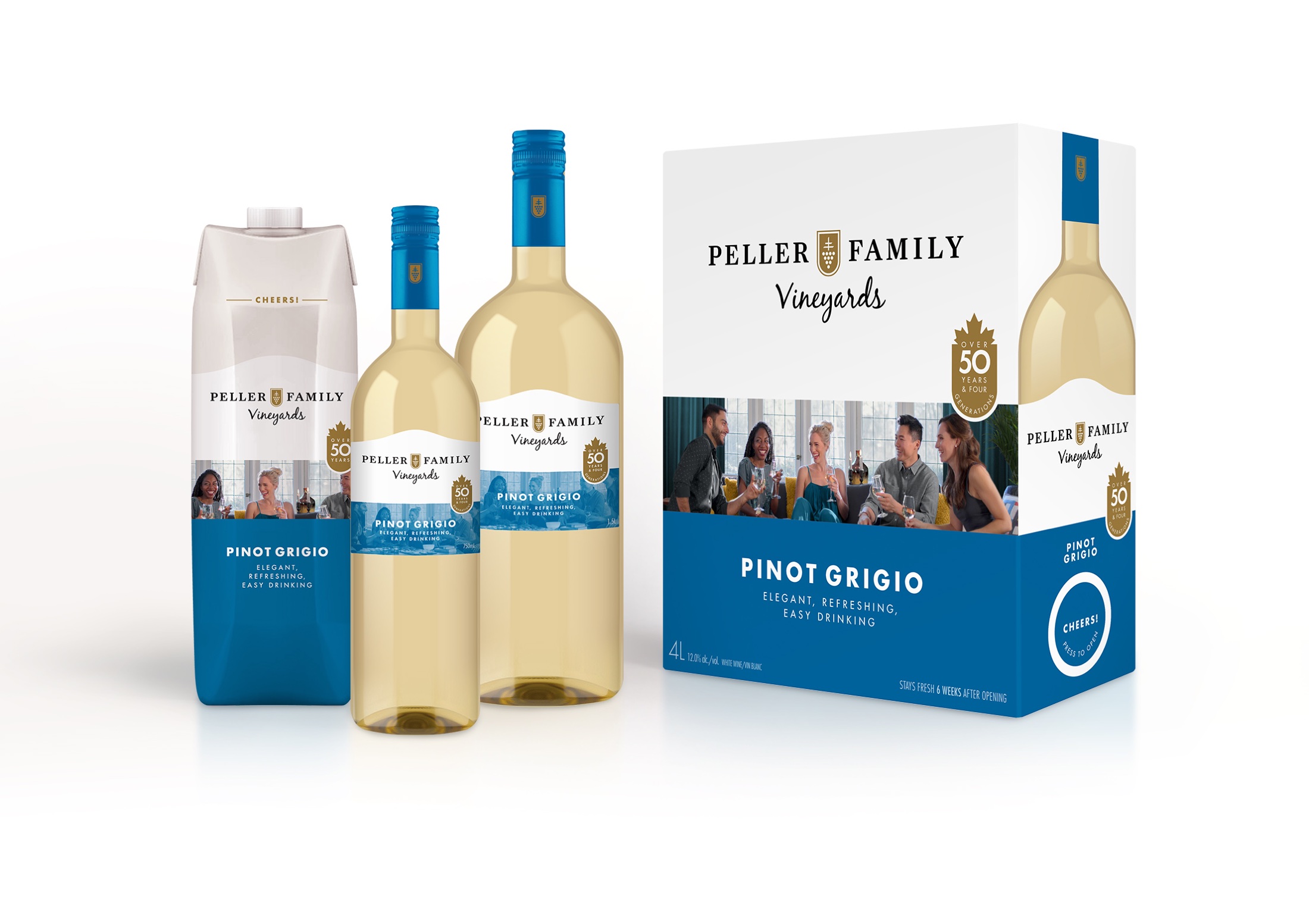
The easiest packaging presentation is one perfect front panel on one perfect mockup. The real test begins when the same idea has to hold six flavours, three sizes, a club format and one retailer-exclusive SKU with an extremely long name.
A useful system answers those questions before every new package becomes a fresh design project.
Design the family before falling in love with the favourite child.
The six decisions underneath the pack
Position. What useful idea gives the brand a reason to look and sound this way?
Recognition. Which assets make the pack identifiable before somebody reads the logo?
Hierarchy. What must be understood from the shelf, in the hand and as a tiny ecommerce thumbnail?
Navigation. How do shoppers move between flavours, benefits, sizes and product families?
Information. Where do required copy, claims, ingredients, tables and barcodes live without taking over?
Production. Which colours, finishes, image rules and artwork standards keep the idea intact when it is made?
Fixed versus flexible
Every good range needs both.
The fixed pieces create memory: logo position, information zones, type behaviour, shape, a recurring device or a consistent point of view.
The flexible pieces make navigation possible: flavour colour, product name, imagery, benefit and format. If everything changes, the range loses recognition. If nothing changes, shoppers cannot tell the products apart.
Test the awkward SKU first.
The tidy product name is not the stress test. Use the longest flavour, the busiest legal panel, the smallest package and the format with the strangest dieline.
If the system only works when the copy is short and the pack is large, it is not a system yet.
What should leave the studio?
A packaging project should leave behind more than approved fronts. Depending on the scope, the working system may include:
- Packaging architecture and range rules
- Master designs applied to representative SKUs
- Production artwork and dieline setup
- Colour, image and finish direction
- Hierarchy rules for claims and required information
- Templates for future extensions
- Supplier and prepress notes
- Photography, ecommerce and launch assets
You know it is working when:
- A new SKU feels familiar without looking copied.
- The busiest panel still has a clear order.
- Sales can request an extension without restarting the brand.
- Production can repeat the idea without slowly redesigning it.
- A shopper can find the right product without studying the range.
That is the difference between a nice package and a packaging asset the business can keep using.