01
See the category clearly
Competitive patterns, customer expectations, cultural context and the bits everyone else has stopped questioning.
We find the useful idea, say what it means and use it to decide what the brand should do next.
Strategy at Smaller stays close to design. That keeps the thinking concrete and makes it harder for vague language to sneak through wearing a nice diagram.
Tell us what you're makingIt should help a founder explain the business, help a designer reject the wrong idea and help a customer understand why this choice is different. If it cannot do those jobs, it is probably not finished.
Our process combines category research, customer context and the realities of the business. Then we turn the answer into positioning, architecture, naming, messaging and clear creative direction.
Competitive patterns, customer expectations, cultural context and the bits everyone else has stopped questioning.
A position the business can credibly own, expressed plainly enough to guide a product page, a package and a sales conversation.
Messaging, principles and creative direction that move directly into identity, packaging and launch instead of waiting in a strategy folder.
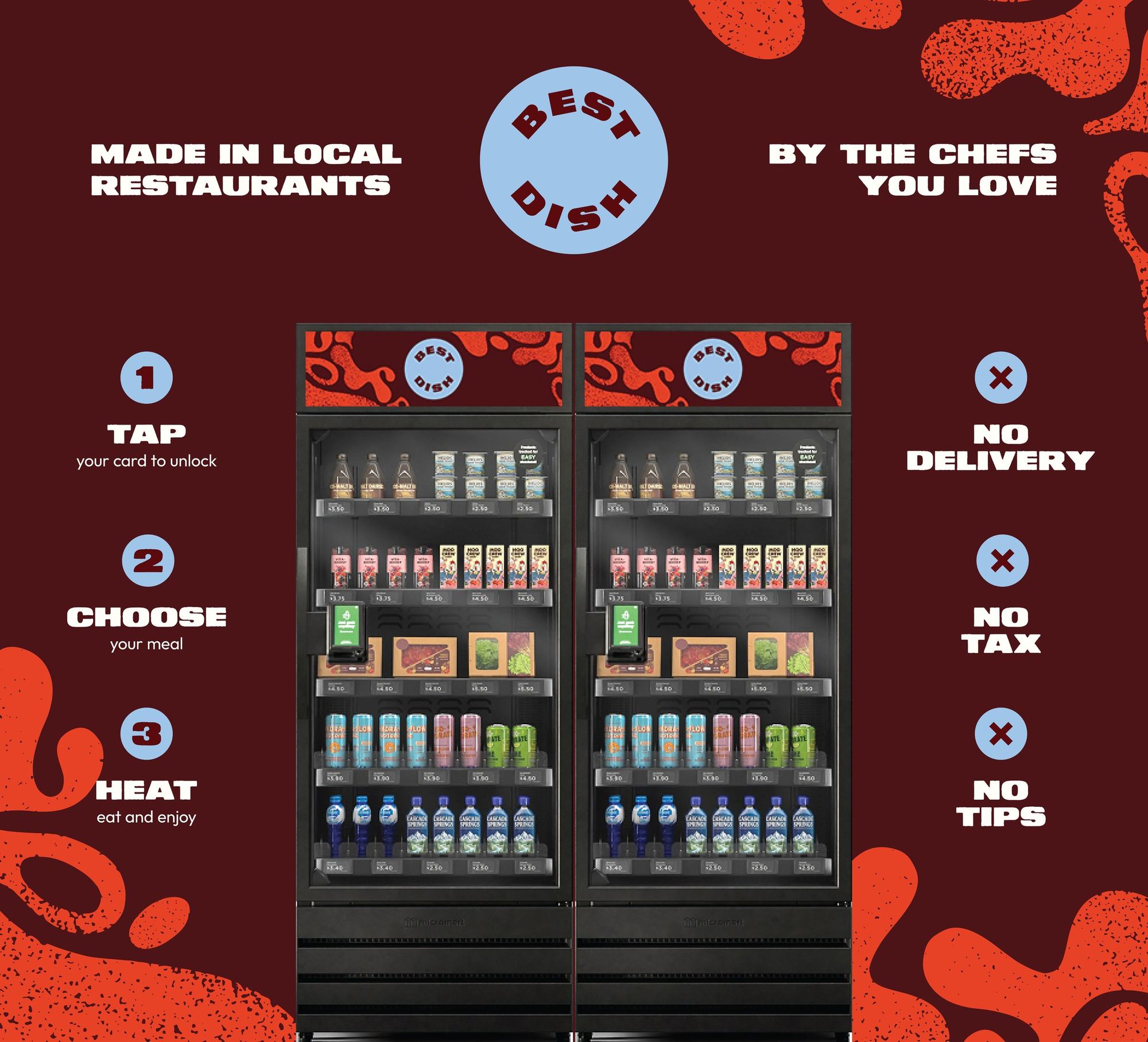
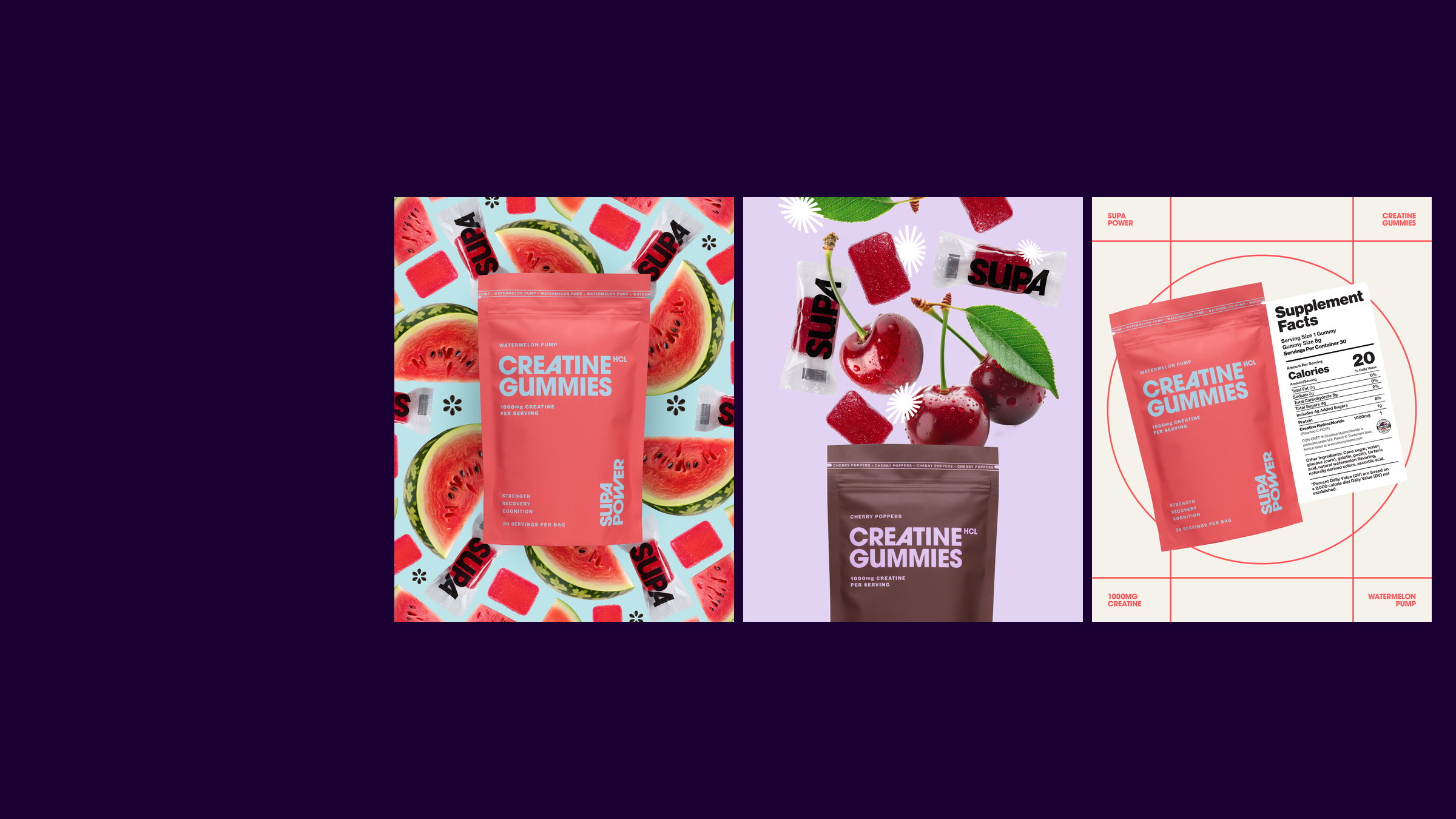
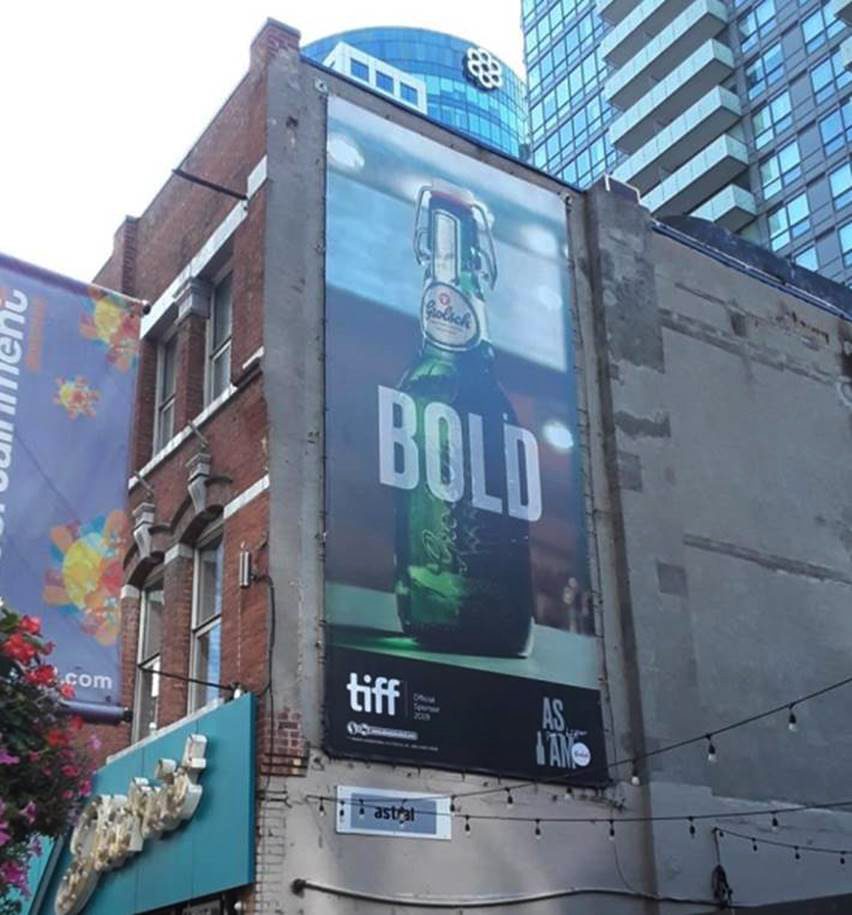
The job is not to sound strategic. The job is to make the next choice easier.
Short answers to the questions that usually arrive before the brief does.
Usually when growth has made the story muddy, a launch needs a sharper reason to exist, the portfolio no longer makes sense or the team keeps making disconnected creative decisions.
Yes, although it is strongest when we can test it through identity, packaging or another real expression. We can also create the strategic foundation for an internal team or another specialist to execute.
A focused strategy engagement often takes several weeks. More complex categories, research programs or portfolio questions take longer. We scope around the decision that needs to be made, not a fixed stack of workshops.