01
Name the default
Identify the category habit or belief that keeps the leaders comfortable and customers underwhelmed.
Challenger brands win by making the category look newly questionable and their alternative feel newly obvious.
This is not permission to shout randomly. It is a disciplined choice about what to challenge, who should care and how the brand proves its point.
Tell us what you're makingThere has to be something in the category worth pushing against: an old assumption, a boring convention, an underserved audience or a benefit everyone has made needlessly dull. That tension gives the brand energy and gives people a reason to retell the story.
We define the enemy carefully, build a position the business can deliver and turn it into recognizable behaviour. The result should help the brand choose what to say, what to make and what to refuse.
Identify the category habit or belief that keeps the leaders comfortable and customers underwhelmed.
Build a credible, ownable position with enough tension to create attention and enough truth to hold it.
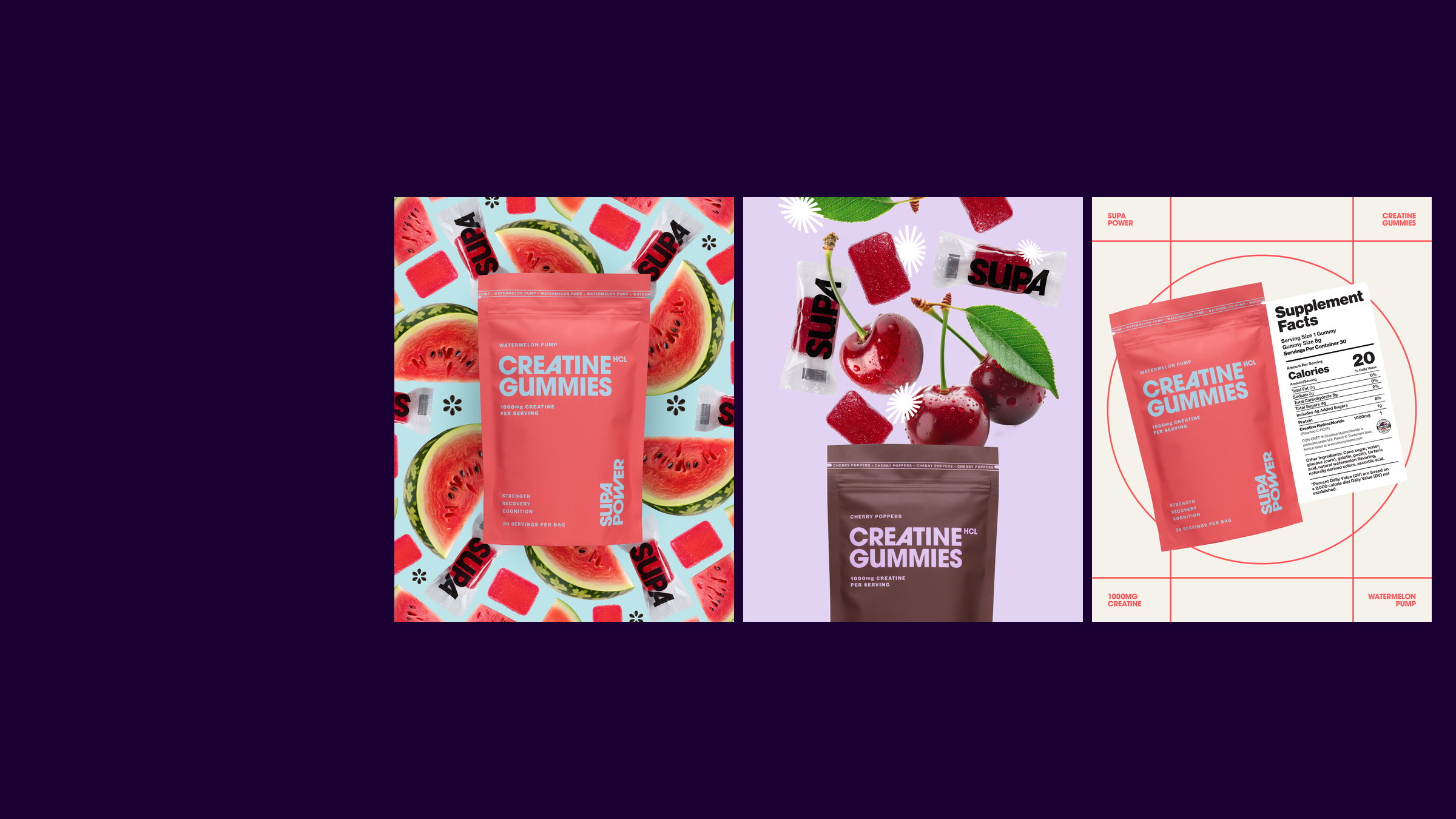
Translate the strategy into identity, packaging, voice, launch ideas and operating choices people can actually notice.

Being smaller is not the story. Using it to move differently is.
Short answers to the questions that usually arrive before the brief does.
A challenger is defined less by company size than by posture. It questions a category convention, offers a credible alternative and behaves in a way the comfortable leaders usually cannot.
No. Established brands can adopt a challenger posture when entering a new category, repairing relevance or competing against a dominant convention.
Tie the challenge to a real product, business or customer truth. The point is not to manufacture attitude. It is to express a meaningful difference with enough clarity and character to be noticed.